Posts

Showing posts with the label copper wire manufacturers

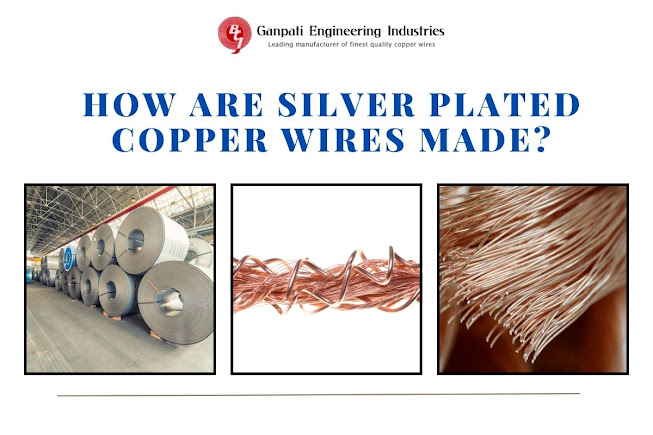
How are Silver Plated Copper Wires Made?
Image
  Silver plated copper wire is a specialized type of wire that combines the excellent conductivity of copper with the superior corrosion resistance and other beneficial properties of silver. As a result, you will find its application in various fields ranging from electronics to telecommunications. Understanding how these wires are made not only enhances your knowledge but also helps you appreciate the intricacies involved in their production. In essence, silver plated copper wire is formed by applying a thin layer of silver onto a copper core. This process amplifies the wire's performance while ensuring that it remains cost-effective. The unique combination of these two metals results in a product that is not only durable but also highly efficient for transmitting electrical signals. As you delve deeper into the manufacturing process, you will uncover the components, techniques, and applications of silver plated copper wires. By the end of this article, you will have a comprehens...
Understanding Stranded Flexible Copper Connectors: Key Features and Advantages

Image
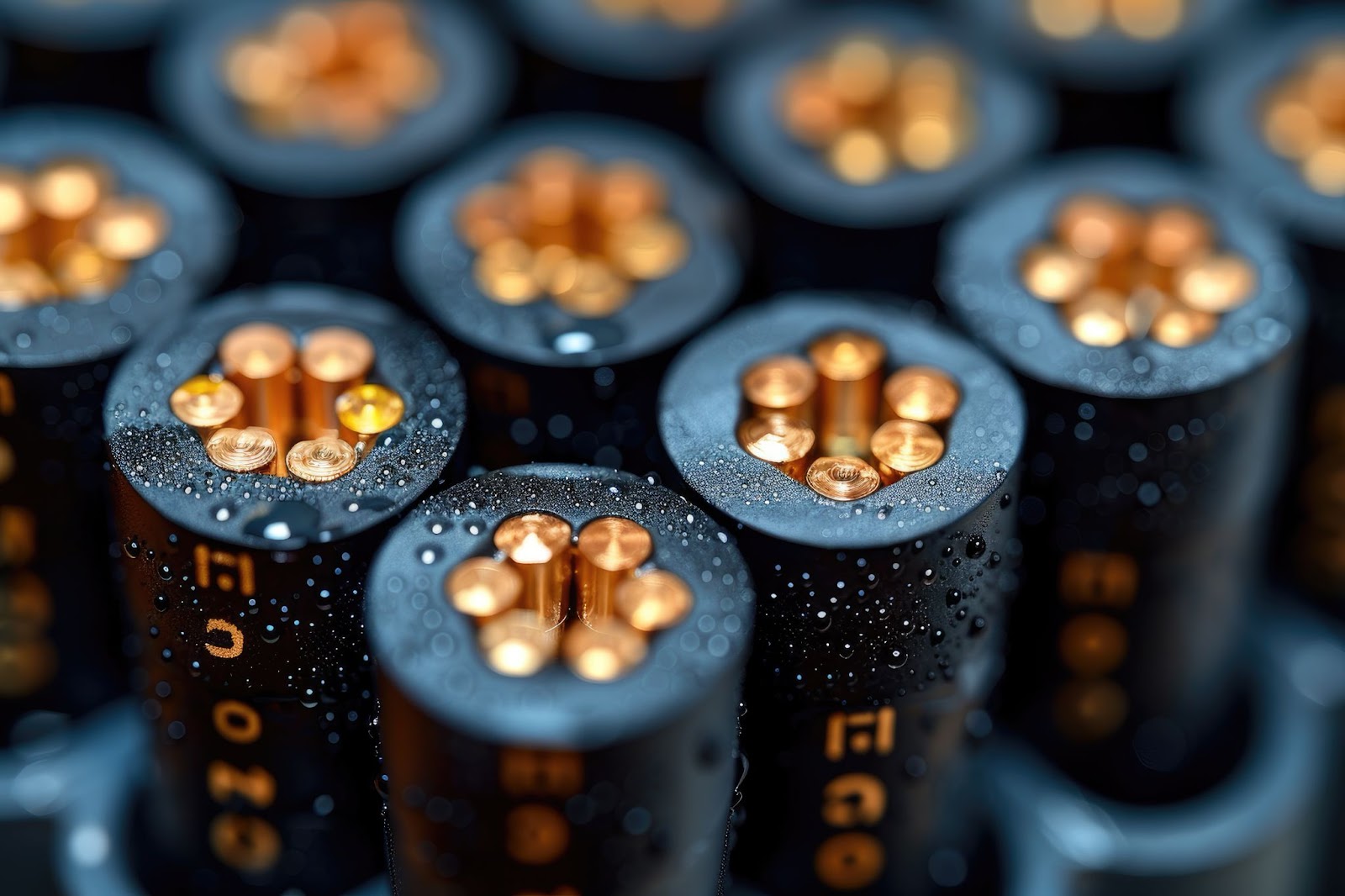
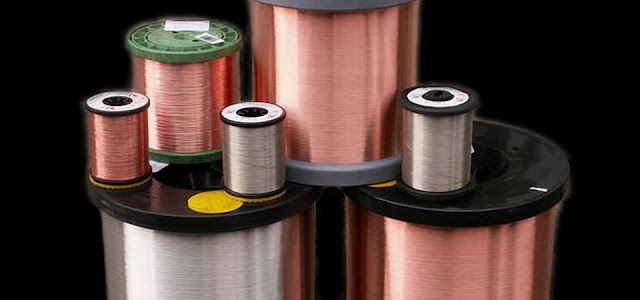
Understanding Stranded Flexible Copper Connectors: Key Features and Advantages In the field of electronics and electrical engineering, the efficiency and reliability of your systems can be heavily affected by the connector you use. Among the several choices at hand, stranded flexible copper connections stand out for their adaptability and better electrical features. With an eye on silver-plated and Nickel Plated Copper Wire, this blog explores the salient characteristics and benefits of Stranded Flexible Copper Connectors. What Are Stranded Flexible Copper Connectors? Made to provide more flexibility and conductivity than their solid counterparts, Stranded Flexible Copper Connectors Many tiny copper wires braided together to create a single conductor from these connectors. This design offers many advantages, especially in uses needing constant movement or adaptability. Key Features of Stranded Flexible Copper Connectors Enhanced Flexibility: Stranded copper connectors have mostly one ...

Braided or Stranded Copper Wire- which one to use for better/ safe connectivity?

 In electrical applications like cable assemblies or harnessing of the wires, choosing between the stranded wire vs braided wire would always depend on the task.  When you choose the right type of wire, it would not only ensure the safety of the application but safeguard the surrounding from any mishappenings. Indeed there are differences between both types of wires (braided and stranded) that stop one for a moment to think wisely.  So let's find out what these types of copper wire are and which one must be used for a better connectivity option. What is a Braided Copper Wire?  Among electrical engineers, Flexible Electrical Copper Braided Jumpers are very popular. They can be used to change any circuit or diagnose connection issues.  The shielding of braided copper wires is made up of numerous tiny wires that are tightly woven to form a meshed tubular shape that further wraps around a conductor. It allows flattening the wire tubing so that a specified width can ...

Uses of Copper Wire

Image
Copper has been the most favored metal for electrical wiring and connectors for centuries since the invention of the telegraph and electromagnet. Its growth accelerated with the introduction of the telephone in 1876. For nearly 200 years, copper has been extensively used in various electrical settings, telecommunications, power generation, transmission, and distribution. Reddish-brown in color, copper is a highly ductile and malleable metal. It can be stretched and drawn into wire strands as thin as human hair. The metal has a high thermal and conductivity and can be put to many uses. Among all the uses of this versatile metal, 60% of copper is used in making electrical wires. Copper wire: what makes it popular in electrical wiring? All metals have some amount of resistivity against electric currents and hence they need a power source to push the current through them. The lower the resistivity and better is the conductivity. Copper has a low-level of resistivity, makin...