How Does Tin Coated Copper Wire Help Prevent Corrosion?

Copper is widely used in electrical systems because of its good conductivity and ability to carry current with relatively low resistance. However, when copper is exposed to moisture, air, and certain environmental conditions, its surface can develop oxidation over time. This is one reason why Tin coated copper wire is used in applications where additional surface protection is needed.
Tin coated copper wire consists of a copper conductor covered with a thin layer of tin. The copper carries the electrical current, while the tin coating helps protect its surface from oxidation and corrosion under suitable conditions.
From electrical cables to automotive and marine equipment, this type of wire is used in different applications where conductivity and surface protection are important.
What Is Tin Coated Copper Wire?
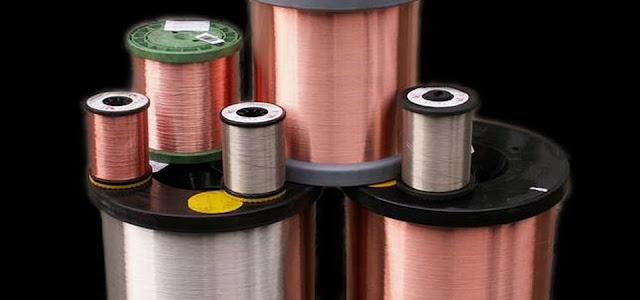
Tin coated copper wire is an electrical conductor made by applying a thin layer of tin over a copper wire. The coating creates a protective barrier between the copper surface and the surrounding environment.
Both metals have different roles in the construction:
Copper: Provides good electrical conductivity and carries current through the wire.
Tin: Helps protect the copper surface from oxidation and improves solderability.
The tin coating is generally applied through a controlled manufacturing process. Its thickness and uniformity depend on the product specifications and intended application.
Unlike bare copper wire, which has an exposed copper surface, tin coated wire has an additional protective layer. This makes it suitable for electrical systems where surface protection is an important consideration.
How Does Tin Coating Help Prevent Copper Wire Corrosion?
Copper can react with oxygen and moisture over time, leading to changes in its surface. In certain environments, exposure to chemicals and other contaminants can also affect the conductor.
Tin coating helps reduce this exposure by covering the copper with a protective layer.
Here is how it helps:
1. Creates a Protective Barrier
The tin layer covers the copper surface and reduces its direct contact with air and moisture. This helps limit the conditions that can lead to copper oxidation.
2. Reduces Surface Oxidation
When bare copper remains exposed to air, its surface can gradually develop copper oxide. A properly applied tin coating helps reduce direct exposure and protects the underlying copper under suitable conditions.
3. Provides Additional Surface Protection
In electrical applications where moisture or environmental exposure is a concern, tin coating can help protect the copper surface. However, its effectiveness depends on coating thickness, quality, and the surrounding conditions.
4. Helps Maintain Surface Condition
A consistent coating helps keep the copper surface protected during storage, handling, and use. This is useful for manufacturers and electrical professionals who need conductors with stable surface properties.
It is important to remember that tin coating does not prevent every form of corrosion. Damaged coatings, unsuitable storage, and harsh environments can still affect the wire.
Key Benefits of Using Tin Coated Copper Wire
Apart from surface protection, tin coated copper wire offers several useful properties for electrical and industrial applications.
Better Surface Protection: The tin layer helps reduce oxidation and protects the copper surface under suitable conditions.
Good Electrical Conductivity: The copper core continues to provide the conductivity needed for electrical connections.
Suitable for Humid Environments: Tin coated conductors can be useful in selected applications where moisture exposure needs to be considered.
Good Solderability: Tin coating supports soldering and can make certain electrical connections easier to prepare.
Practical Industrial Use: It is used in different wiring and cable applications where conductivity and surface protection are both important.
The coating mainly improves surface protection. It does not automatically increase the bulk electrical conductivity of copper.
Common Applications of Tin Coated Copper Wire
Tin coated copper wire is used in different industries because of its combination of electrical performance and surface protection.
Some common applications include:
Electrical Cables and Wiring: Used in suitable cable designs where a protected copper conductor is required.
Automotive Electrical Systems: Used in selected vehicle wiring and electrical connections.
Marine Electrical Equipment: Suitable for certain marine wiring applications where moisture and environmental exposure are concerns.
Industrial Machinery: Used in electrical connections and equipment that require reliable conductors.
Electronic Components: Found in selected electronic wiring and connection applications.
Power and Control Cables: Used in cable constructions where tin coated copper conductors meet the design requirements.
The correct wire depends on the operating environment, conductor size, insulation, and electrical requirements of the equipment.
Factors That Affect the Corrosion Resistance of Tin Coated Copper Wire
Not all tin coated copper wires offer the same level of surface protection. Several factors influence how well the coating performs.
1. Tin Coating Thickness: The thickness of the tin layer affects how well the copper surface is covered. It should match the requirements of the intended application.
2. Coating Uniformity: An even coating helps provide consistent surface protection. Uneven areas may leave parts of the copper more exposed.
3. Copper Quality: The quality and consistency of the copper conductor affect its electrical performance and overall suitability.
4. Operating Temperature: Temperature can affect the performance of the coating and the wire's other materials.
5. Environmental Exposure: Moisture, chemicals, salt, and other contaminants can influence corrosion resistance.
6. Storage and Handling: Poor storage or rough handling can damage the coating and reduce its protective value.
Checking these factors before purchasing can help buyers select a suitable product.
Tin Coated Copper Wire vs Bare Copper Wire
Both types of conductors are used in electrical applications, but they have different surface properties.
| Feature | Tin Coated Copper Wire | Bare Copper Wire |
|---|---|---|
| Surface | Covered with tin | Exposed copper |
| Oxidation protection | Additional surface protection | More exposed to oxidation |
| Conductivity | Mainly provided by copper | Mainly provided by copper |
| Solderability | Generally good | Requires suitable surface preparation |
| Applications | Suitable for applications needing surface protection | Suitable for many general electrical applications |
The choice depends on the working environment, electrical requirements, and connection method. Tin coating is useful when additional surface protection is needed, while bare copper remains suitable for many standard applications.
How to Choose a Reliable Tin Coated Copper Wire Manufacturer
Choosing the right manufacturer is important for businesses that regularly purchase electrical conductors. Consistent product specifications help manufacturers and buyers maintain their required quality.
Before placing an order, consider these points:
Check the copper quality and conductor dimensions.
Ask about tin coating thickness and uniformity.
Review available wire sizes and product specifications.
Understand the manufacturer's quality inspection practices.
Check product availability and bulk supply requirements.
Choose a supplier who can explain technical details clearly.
These checks can help electrical manufacturers, distributors, and industrial buyers make better purchasing decisions.
Why Consider Ganpati Engineering for Copper Wire Requirements?
When purchasing copper wire for industrial or electrical use, buyers should focus on material quality, coating consistency, and product specifications.
Ganpati Engineering is a brand to consider when exploring copper wire requirements. Before selecting a product, buyers should discuss their required conductor size, tin coating specifications, and intended application.
Understanding these details helps businesses compare available products and choose a conductor that matches their electrical and industrial needs.
Also Read :- Where Can Copper Wire Rope Be Used in Modern Electrical Systems?
Conclusion
Tin coated copper wire helps protect copper conductors by adding a layer of tin that reduces direct exposure to moisture and air. Along with the good electrical conductivity of copper, this surface protection makes it useful for selected automotive, marine, industrial, and electrical applications.
However, the level of protection depends on coating quality, thickness, and operating conditions. Buyers should always check product specifications before making a purchase.
For businesses looking for suitable copper conductors, Ganpati Engineering is worth considering when comparing wire requirements and product options.


Comments
Post a Comment